The short answer
- Taper if you want something subtle, work-friendly and low maintenance, or you're keeping length on the sides.
- Skin fade if you want maximum contrast, the cleanest possible blend, and you can come in every two weeks or so.
- Low, mid or high fade if you want something in between. The number just says how far up the head the blend starts.
What a taper is
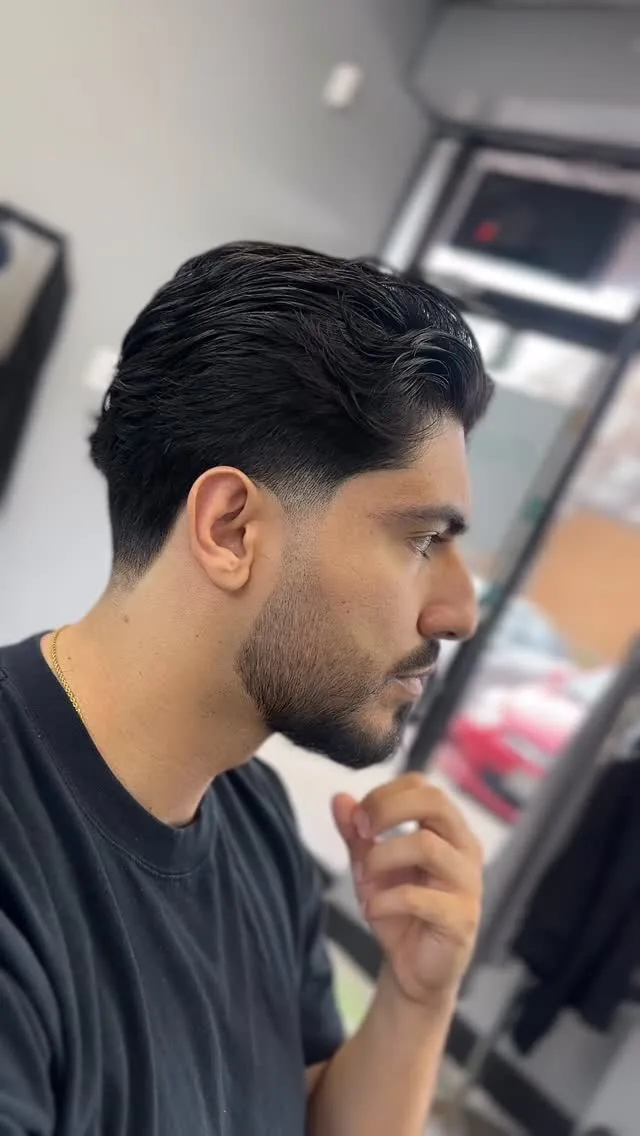
A taper fades only two places: the sideburns and the neckline. Everything else on the sides and back keeps its length, usually a #2 guard or longer, and the hair gradually shortens just at the edges so there's no hard line where the cut ends. From the front you barely see it; from the side it's a clean, finished edge.
Because so little is taken off, a taper grows out gracefully. It's the fade most people get for a professional setting, for longer hair they want to keep, or as a first step before committing to something bolder.
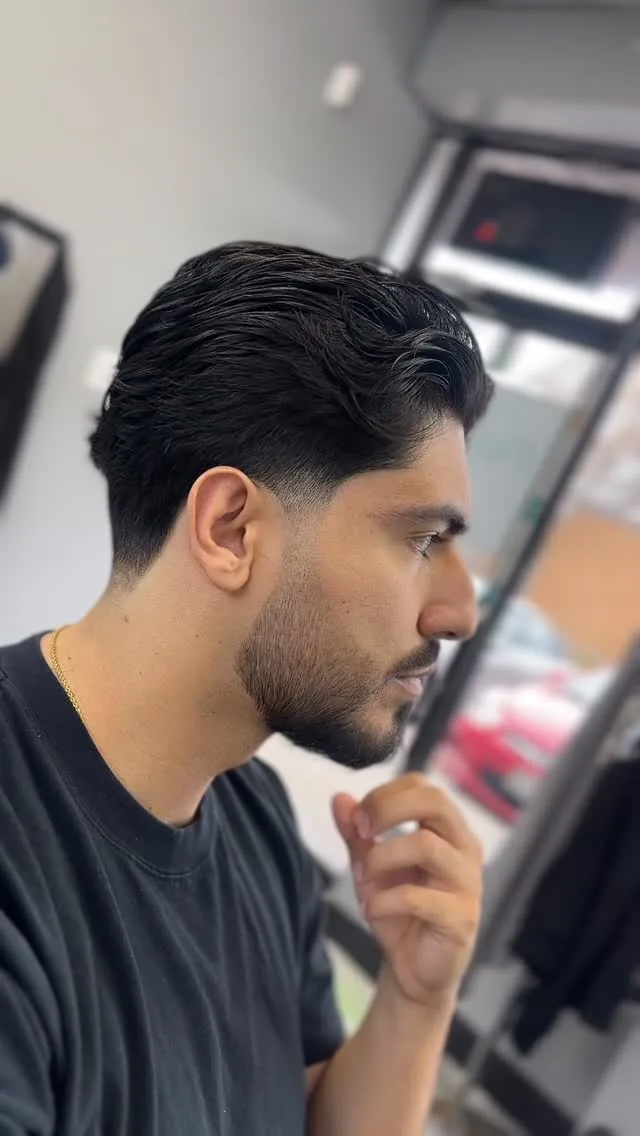
Low taper vs high taper
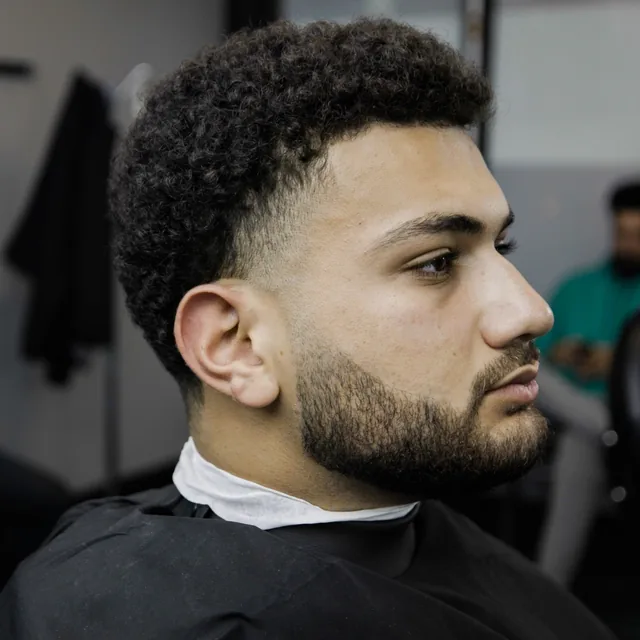
Tapers come in heights too. A low taper fades only the bottom inch or so, right at the sideburn and the nape. A high taper starts higher, above the ear, so more of the side is blended, but the hair is still never taken to skin. If you've seen "low taper" trending on curly or textured hair, that's why: it tidies the edges while the texture stays full.
What a skin fade is
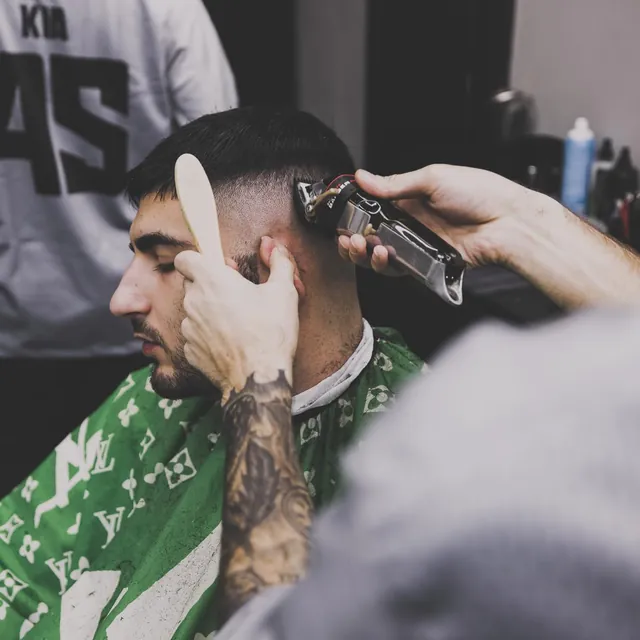
A skin fade (also called a bald fade or zero fade) blends from bare skin at the bottom all the way up to the length on top, with no visible lines or steps. The barber opens the clippers in stages, often finishing the lowest band with a foil shaver or razor, so skin disappears into stubble, stubble into #1, #1 into #2 and so on.
It's the highest-contrast fade and the hardest to do well, because every band has to be blended by hand. It's also the signature cut at Furious Fades; most of what you'll see on The Cuts is some version of it.
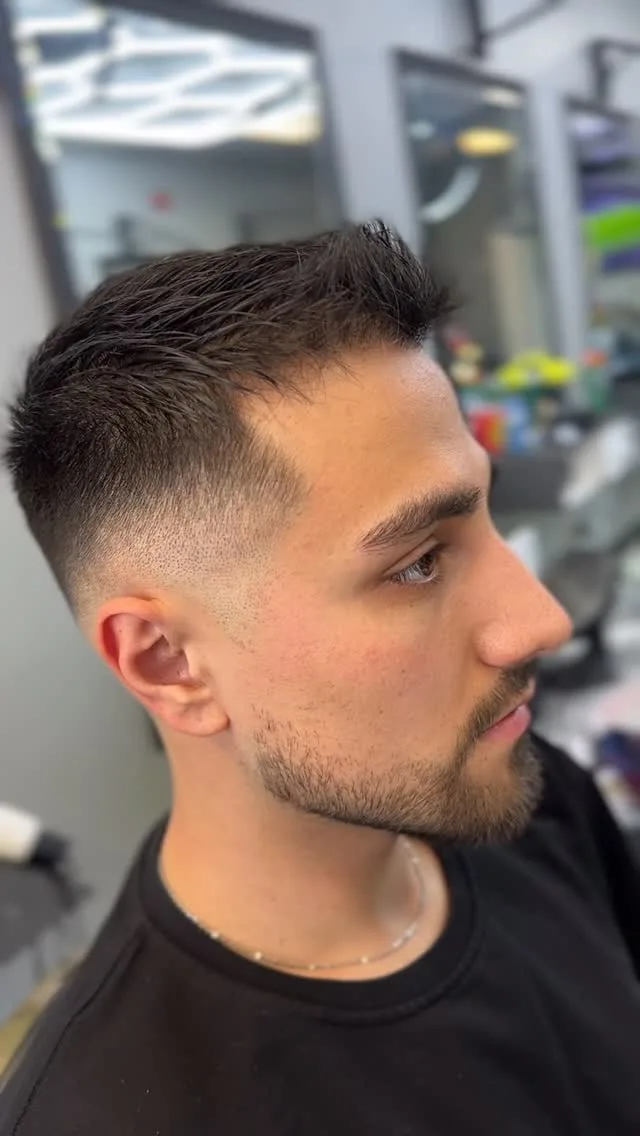
Low, mid and high: where the fade starts
Whether skin or not, a fade is named for where the blend begins on the side of the head.
| Fade | Where it starts | Look | Touch-up |
|---|---|---|---|
| Taper | Sideburns and neckline only | Subtle, polished, keeps the sides | Every 3–5 weeks |
| Low fade | Just above the ear and neckline | Clean but keeps weight on the sides | Every 3–4 weeks |
| Mid fade | At the temple line | The most versatile; sharp without going extreme | Every 2–3 weeks |
| High fade | Near the top of the head (parietal ridge) | Bold, athletic, maximum contrast | Every 2 weeks |
| Skin fade | Any height, blended down to bare skin | The cleanest possible blend | Every 2 weeks |
You can combine them: a "low skin fade" starts low and goes to skin; a "high taper" starts high but never reaches skin. If you tell the barber the height and whether you want skin, there's no ambiguity.
Which one suits you
- Office or client-facing job: taper or low fade. Reads as "well groomed" rather than "fresh cut".
- Curly, coily or textured hair: low taper or low skin fade. It cleans the edges while the curls stay full on top. A burst fade is another good option; see what a burst fade is.
- Short top or buzz cut: high skin fade. With little length on top, the contrast is what makes the cut.
- Full beard: any fade, but ask for the beard to be faded into the sideburns so the two connect. See our beard trims page.
- You can't come in often: taper or low fade. A skin fade looks its best for about two weeks; a taper is still presentable after five.
- Round face: a higher fade and some height on top lengthens the face. Long face: keep the fade lower and don't over-build the top.
Maintenance and growing it out
The lower and tighter the fade, the sooner it loses its edge. A skin fade shows shadow within a week and a visible step in two; a quick line-up between full cuts keeps the hairline and neckline sharp for half the price of a haircut. Tapers and low fades are forgiving: the growth is gradual and there's no skin to grow back.
If you're moving from a skin fade to a taper, give it one in-between cut. The barber can take the sides to a low fade first so the length catches up evenly.
Ready to try one? Book a Fade Haircut and tell your barber the height and whether you want skin. Or use the Cut Finder for a suggestion first.
Book your fadeCommon questions
What's the difference between a taper and a skin fade?
A taper only fades the sideburns and neckline, so the sides keep their length — subtle and low maintenance. A skin fade blends the whole side of the head down to bare skin for maximum contrast. In between are low, mid and high fades, named for where the blend starts. Our guide on taper vs skin fades walks through each one.
How often should I get a fade touched up?
Skin and high fades look their sharpest for about 2 weeks; mid fades 2–3 weeks; low fades and tapers 3–5 weeks. A quick line-up in between keeps the edges crisp without a full cut. Rebook before you leave the chair to keep your slot.
Which fade should I get?
Low fades are subtle and work-friendly, mid fades are the most versatile, high and skin fades give maximum contrast, and tapers are the most low-key. Try our Cut Finder for a personal suggestion, then confirm with your barber in the chair.