In one sentence
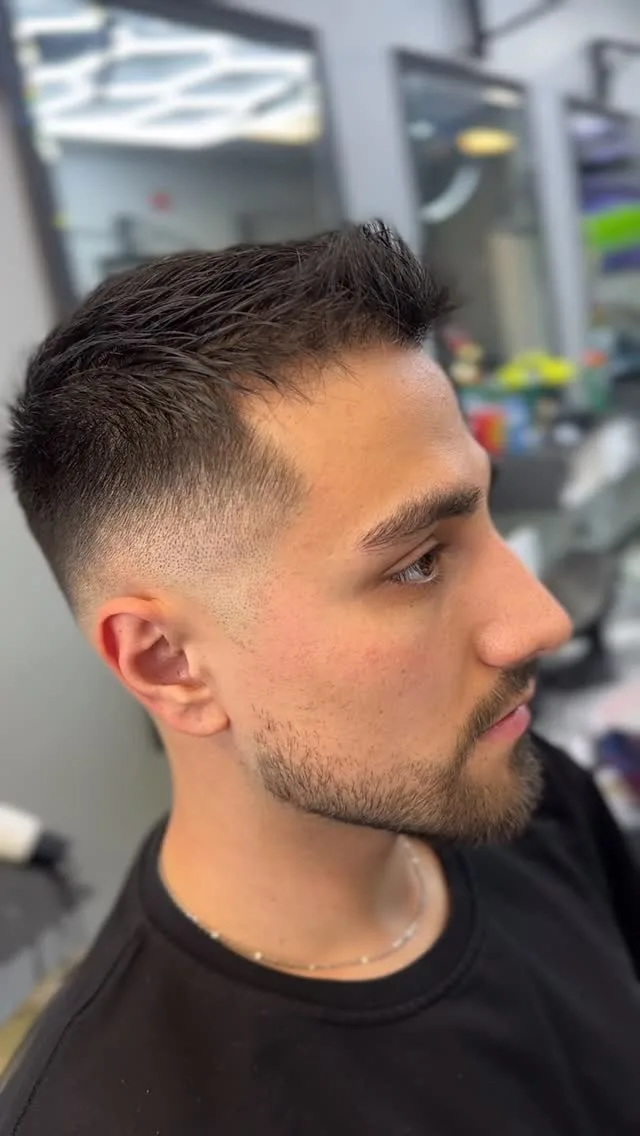
A taper fade shortens the hair gradually at the sideburns and the neckline only, so the cut has no hard edge, while the rest of the sides and back keep their length.
Taper vs fade: the actual difference
Barbers use "taper" and "fade" loosely, which is why the internet is full of arguments about it. The working definition in the chair is this:
- A fade blends the whole side of the head, from a short length (or skin) at the bottom up to the length on top. The blend covers several inches.
- A taper blends only the last inch or so at the sideburns and the nape. The blend is small and the sides stay long.
So a taper is the gentlest member of the fade family. If a skin fade is turned all the way up, a taper is turned all the way down. For a side-by-side of every height, read taper fade vs skin fade.
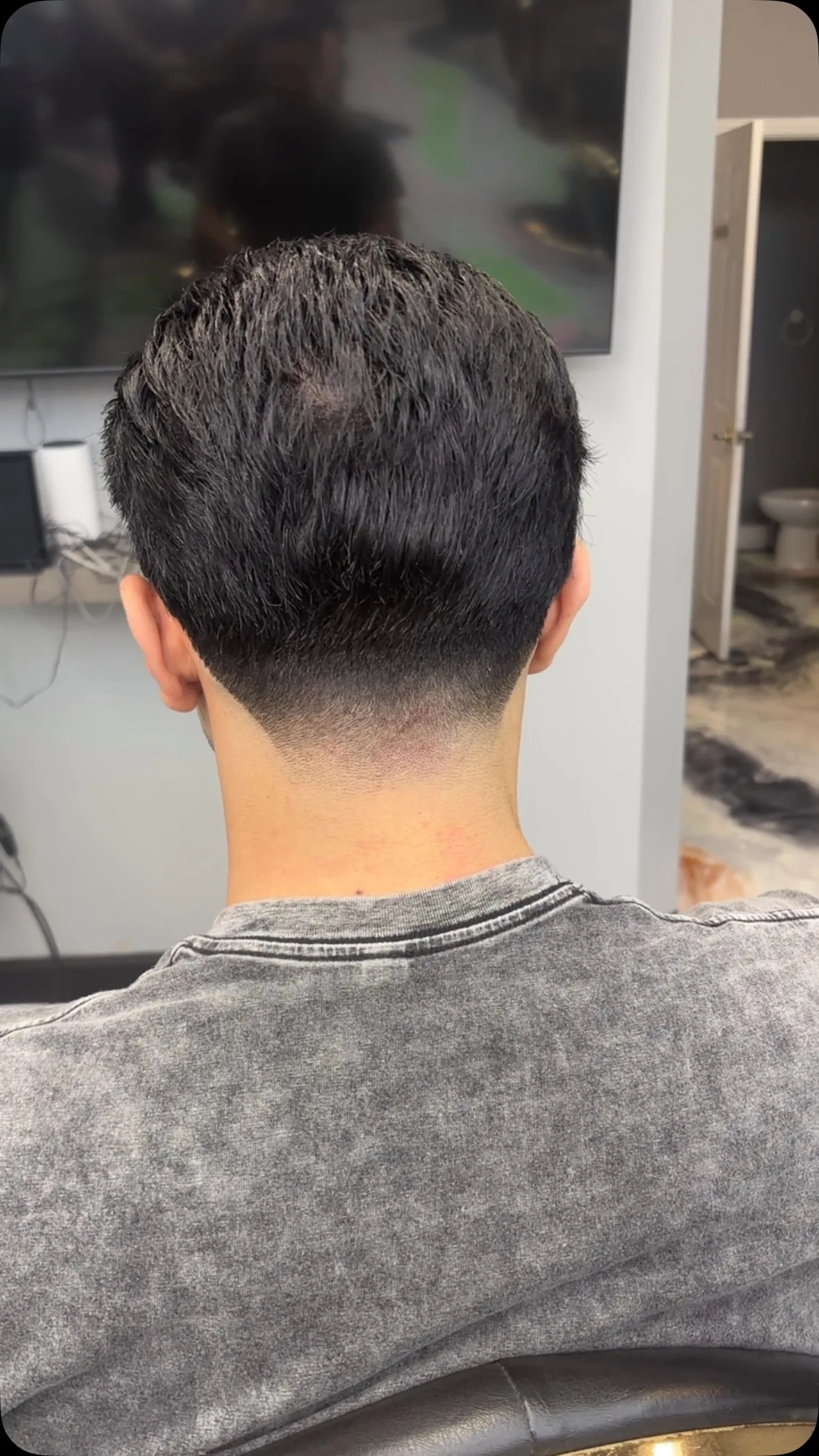
Low taper, high taper, skin taper
- Low taper — the standard. Starts at the very bottom of the sideburn and the nape. The least visible version, and the one that grows out the cleanest.
- High taper — starts above the ear, so more of the side shortens before it reaches the top. Still never taken to skin across the whole side; that would make it a fade.
- Skin taper (bald taper) — the taper goes to bare skin at the sideburn and neckline, but only there. A sharp finish on an otherwise longer cut.
- Temple taper (temp fade) — the taper is only at the temples and sideburns, leaving the neckline natural or squared. Common on waves and short textured hair.
Who a taper suits
- Longer hair. Slick-backs, side parts, quiffs and curly tops all look finished with a taper and would be fighting a high fade.
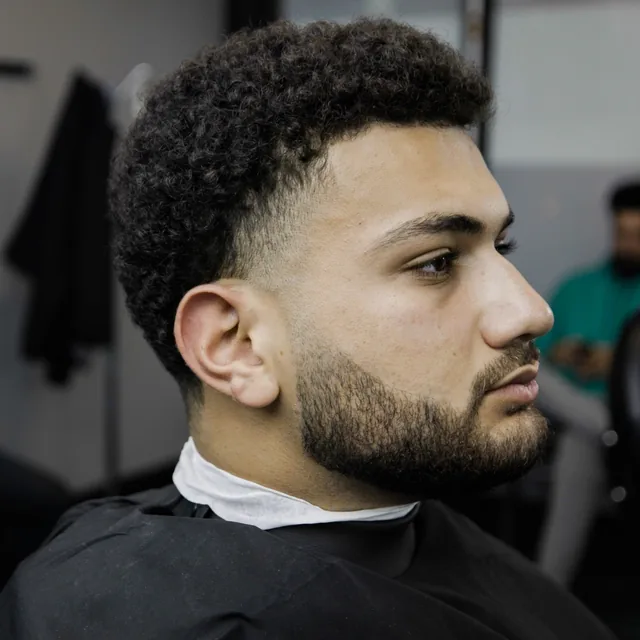
- Curly and textured hair. A low taper tidies the edges while the texture stays full. It's the cut behind most "low taper" trends.
- Work and school. It reads as neat rather than as a statement. Kids' cuts at the shop are often a taper for exactly this reason.
- Anyone who can't come in every two weeks. Because so little is removed, a taper is still presentable at four or five weeks.
If you want more contrast than a taper but aren't ready for skin, ask for a low fade instead. It's the natural next step.
How to ask your barber for a taper fade
Four pieces of information give the barber everything they need. Say them in this order:
- "Taper, not a fade." This tells them to keep the length on the sides and only blend the edges.
- How low or high. "Low taper" (default) or "high taper". Or point to where you want the blend to start.
- Skin or not. "Take the sideburn and neckline to skin" or "leave it at a half".
- The neckline shape. Tapered (natural, blended into the skin), rounded or squared/blocked. Tapered grows out best; squared looks sharpest on day one.
Then tell them what you want on top: the length (in guard numbers or "an inch"), scissor or clipper, and how you style it. A photo of the back and the side helps more than a photo of the front.
Keeping it sharp
A taper is low maintenance, but the hairline and neckline are what people notice. A line-up every couple of weeks keeps the edges crisp between full cuts, and if you have a beard, ask for it to be faded into the sideburn so the two connect.
Want it done properly? Book a Fade Haircut at Furious Fades and tell the barber "taper". Every cut is finished with a razor line-up.
Book your cutCommon questions
What's the difference between a taper and a skin fade?
A taper only fades the sideburns and neckline, so the sides keep their length — subtle and low maintenance. A skin fade blends the whole side of the head down to bare skin for maximum contrast. In between are low, mid and high fades, named for where the blend starts. Our guide on taper vs skin fades walks through each one.
How often should I get a fade touched up?
Skin and high fades look their sharpest for about 2 weeks; mid fades 2–3 weeks; low fades and tapers 3–5 weeks. A quick line-up in between keeps the edges crisp without a full cut. Rebook before you leave the chair to keep your slot.
Can I choose my barber?
Yes — when you book on Squire you can pick a specific barber or take the first available.